


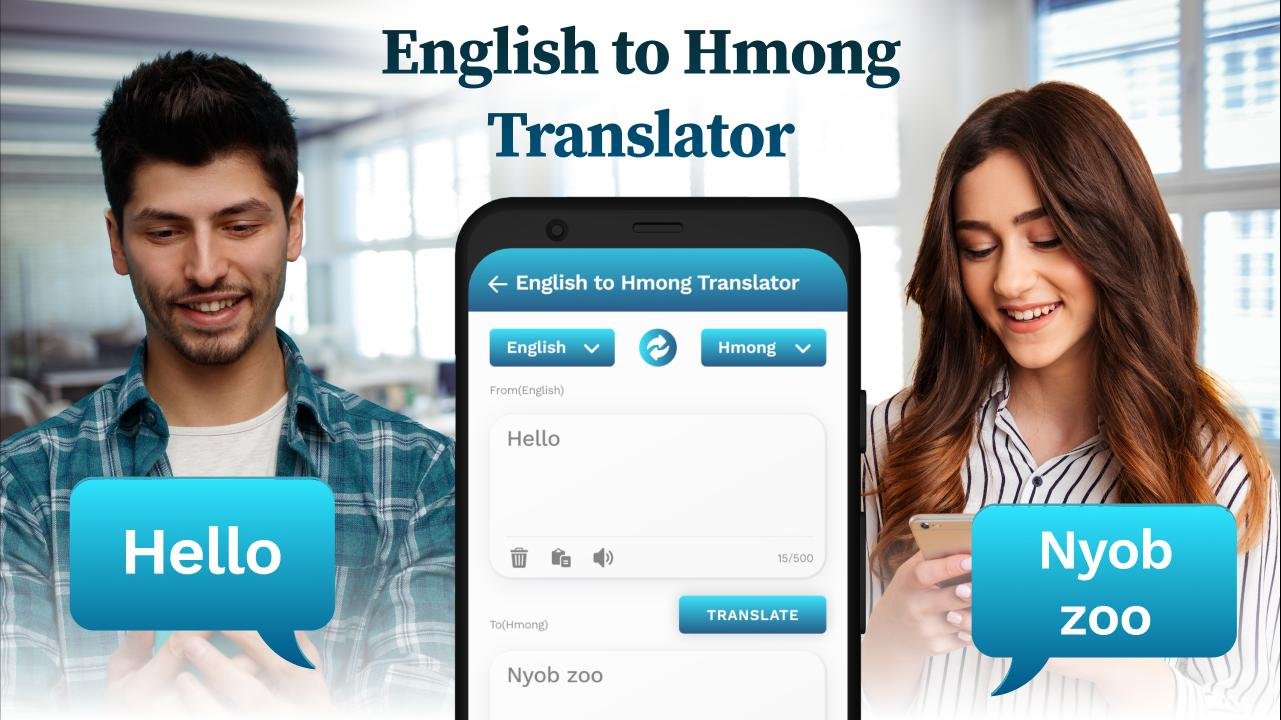
The Hmong language is spoken by the Hmong people, an ethnic group primarily found in China, Vietnam, Laos, Thailand, and in Hmong diaspora communities across the United States and other countries. As global communication increases, there is growing interest in translating English to Hmong whether for personal communication, education, or professional purposes.
Why Translate English to Hmong?
Translating English to Hmong serves multiple purposes:
- Preserving Culture and Language: Many younger Hmong generations grow up in English-speaking environments. Translation helps maintain the connection to their ancestral language.
- Education and Literacy: Providing educational materials in both English and Hmong can support literacy development in children and adults.
- Community Services: Health, legal, and social service providers often need Hmong translations to serve their communities effectively.
- Business and Communication: As Hmong-speaking communities engage in business, accurate translation ensures clarity and mutual understanding.
Challenges in Translating English to Hmong
Translating between English and Hmong can be tricky due to differences in structure and cultural context:
- Grammar Differences: Hmong follows a Subject-Verb-Object (SVO) order like English but often uses different sentence constructions and tense markers.
- Tonal Language: Hmong is tonal, meaning the pitch of a word can change its meaning. English translations may fail to capture these nuances.
- Limited Resources: There are fewer Hmong-English dictionaries and automated translation tools compared to widely spoken languages.
Because of these challenges, professional translation or learning the language through native speakers is often the most reliable approach.
Tools for English to Hmong Translation
Several resources can help translate English to Hmong:
- Online Translators: Websites and apps like Google Translate include Hmong. While useful for simple phrases, they may produce errors for complex sentences.
- Hmong Dictionaries: Digital or print dictionaries provide more accurate word meanings, including tonal and contextual usage.
- Language Courses and Apps: Platforms like Duolingo or community-based Hmong language programs can teach vocabulary and sentence structure.
- Professional Translators: For formal documents such as legal papers, medical information, or official communication, hiring certified translators is recommended.
Tips for Accurate Translation
- Understand Context: Some English words have multiple meanings. Always consider the context before translating.
- Check Tone Marks: Hmong uses diacritics to indicate tone, which changes meaning. Skipping these can lead to misunderstandings.
- Use Simple Sentences: Simple sentence structures are easier to translate accurately.
- Consult Native Speakers: If possible, ask a fluent Hmong speaker to review translations for cultural and linguistic accuracy.
Learning Hmong as an English Speaker
If your goal extends beyond translation, learning Hmong can be rewarding:
- Start with Basic Vocabulary: Common greetings, numbers, and daily phrases.
- Practice Listening: Hmong songs, podcasts, and community events help with understanding tones and pronunciation.
- Engage in Conversations: Speaking with native Hmong speakers accelerates learning and provides real-life context.
- Use Flashcards: Digital or physical flashcards help memorize vocabulary effectively.
Learning Hmong not only helps with communication but also deepens appreciation of Hmong culture, stories, and traditions.
FAQs: English to Hmong
Q1: Is Hmong a difficult language to learn for English speakers?
A: Hmong can be challenging due to its tonal system and unfamiliar grammar. However, with consistent practice and exposure, English speakers can learn basic communication within a few months.
Q2: Can I rely on Google Translate for English to Hmong translation?
A: Google Translate is helpful for simple phrases, but it may make mistakes with grammar, tone, or cultural nuances. For important documents, professional translation is recommended.
Q3: What is the best way to learn Hmong?
A: Combining vocabulary study, listening practice, and conversation with native speakers is the most effective approach. Apps, courses, and community events are excellent resources.
Q4: Are there different dialects in Hmong?
A: Yes, the two main dialects are White Hmong (Hmong Daw) and Green/Blue Hmong (Hmong Leng). Some words and tones differ, so knowing the dialect of your target audience is important.
Q5: How can translation help preserve Hmong culture?
A: Translating books, stories, and educational materials from English to Hmong keeps the language alive for younger generations and promotes cultural understanding.
Q6: Can English and Hmong be used together in writing?
A: Yes, bilingual materials often use English and Hmong side by side, which helps learners understand meaning and context while preserving language heritage.
Translating English to Hmong is more than a linguistic exercise—it is a bridge between cultures, generations, and communities. Whether for education, communication, or cultural preservation, careful translation and learning strategies make the process rewarding and impactful.