


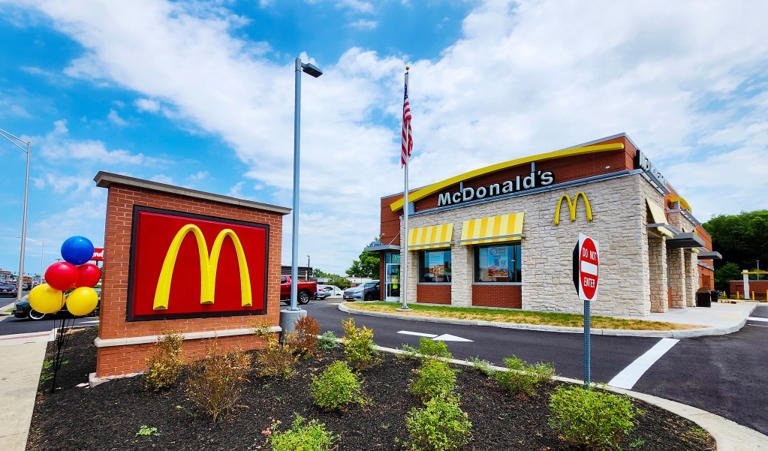
McDonald’s is one of the most recognized brands in the world. Known for its golden arches, burgers, and fries, it has become a symbol of fast food and convenience across the globe. From a small drive-in in San Bernardino California to thousands of locations worldwide, McDonald’s has transformed the way people think about quick-service dining.
History and Growth
McDonald’s was founded in 1940 by Richard and Maurice McDonald as a small barbecue restaurant. In 1948, they revamped their business model, focusing on a limited menu of burgers, fries, and beverages, which allowed them to serve customers faster. This innovative “Speedee Service System” became the blueprint for modern fast-food restaurants.
Ray Kroc, a milkshake machine salesman, joined the company in 1954 and opened the first McDonald’s franchise. Kroc later bought the company from the McDonald brothers, and under his leadership, McDonald’s expanded rapidly across the United States and eventually internationally. Today, McDonald’s operates in over 100 countries, serving millions of customers every day.
Menu Highlights
While McDonald’s menu varies by country to cater to local tastes, some items remain iconic worldwide:
- Big Mac: The signature double-layered burger with special sauce.
- French Fries: Crispy, golden, and a favorite side worldwide.
- Chicken McNuggets: Bite-sized pieces of fried chicken that are a hit with both kids and adults.
- Happy Meal: A kid-friendly combo meal often including a toy.
In recent years, McDonald’s has also introduced healthier options, such as salads, fruit, and plant-based alternatives, reflecting growing consumer demand for nutritious meals.
Innovations and Technology
McDonald’s has embraced technology to enhance customer experience. Mobile ordering apps, self-service kiosks, and delivery partnerships have made ordering faster and more convenient. Some locations even use AI and digital menu boards to customize recommendations based on time, weather, and popular choices.
Sustainability is also becoming part of McDonald’s focus. The company has committed to reducing greenhouse gas emissions, sourcing sustainable ingredients, and minimizing packaging waste globally.
Cultural Impact
McDonald’s isn’t just a restaurant chain—it’s a cultural icon. The golden arches symbolize fast food and convenience, and the brand has influenced pop culture, advertising, and even urban planning. For many, McDonald’s represents childhood memories, quick meals, and affordable dining options.
Its presence has also sparked discussions about health, nutrition, and corporate responsibility, making it a significant case study in business, marketing, and globalization.
FAQs About McDonald’s
1. When was McDonald’s founded?
McDonald’s was founded in 1940 by Richard and Maurice McDonald in San Bernardino, California. The first franchise under Ray Kroc opened in 1955.
2. What is the most popular item on the McDonald’s menu?
The Big Mac and French fries are among the most iconic and popular items globally. Chicken McNuggets also remain a customer favorite.
3. Does McDonald’s offer vegetarian options?
Yes, McDonald’s offers vegetarian-friendly items in many locations, such as salads, fruit, veggie burgers, and plant-based alternatives, depending on the country.
4. How many countries have McDonald’s restaurants?
McDonald’s operates in over 100 countries worldwide, with thousands of outlets serving millions of customers daily.
5. Is McDonald’s healthy?
While McDonald’s is often associated with fast food, it has introduced healthier menu options such as salads, fruit, oatmeal, and grilled items. Moderation and balanced choices are key to enjoying McDonald’s responsibly.
6. How can I order from McDonald’s?
You can order in-store, via drive-thru, through the McDonald’s mobile app, or via delivery services like Uber Eats and DoorDash in many locations.
7. What initiatives has McDonald’s taken for sustainability?
McDonald’s aims to reduce greenhouse gas emissions, source sustainable ingredients, and improve packaging practices globally. Efforts include using recycled packaging and supporting sustainable farming.
8. Does McDonald’s cater to local tastes?
Yes, McDonald’s customizes its menu to suit local cultures. For example, in India, McDonald’s offers McAloo Tikki burgers, while in Japan, Teriyaki Burgers are popular.
Conclusion
McDonald’s continues to be a leader in the fast-food industry due to its ability to adapt, innovate, and maintain a strong global presence. Its impact stretches beyond just food—it has shaped cultural habits, business models, and customer expectations worldwide. Whether you visit for a classic Big Mac or a new menu item, McDonald’s remains a symbol of convenience, consistency, and culinary familiarity across the globe.