


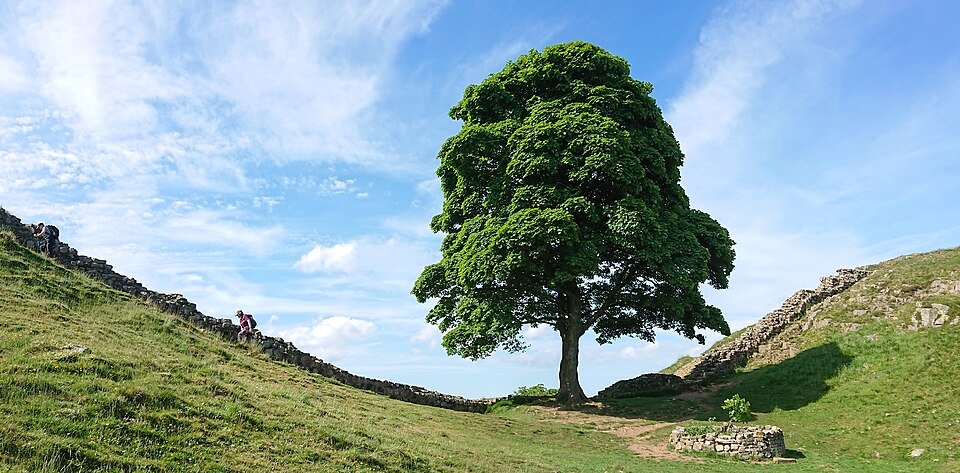
The sycamore tree is one of nature’s most majestic and resilient trees. With its striking mottled bark, wide-spreading branches, and impressive size, the sycamore has captured the attention of gardeners, landscapers, and nature enthusiasts alike. It is a symbol of endurance, strength, and timeless beauty, thriving in both natural and urban environments. From its cultural significance to its practical uses, the sycamore tree is much more than a leafy giant—it’s an integral part of many ecosystems.
What Is a Sycamore Tree?
The term “sycamore” actually refers to several species across the globe. In North America, the American sycamore (Platanus occidentalis) is the most common. In Europe and urban settings worldwide, the London plane tree (Platanus × acerifolia) is often planted for its resilience to pollution. The Oriental plane (Platanus orientalis), native to southeastern Europe and western Asia, is another well-known variety.
Despite differences in species, all sycamores share some hallmark characteristics: large, broad leaves, unique bark that flakes in patches, and the capacity to grow into massive, long-living trees. American sycamores can reach heights of 70 to 100 feet, with trunks more than 12 feet in diameter in ideal conditions. Their wide, dense canopies provide abundant shade, making them popular in parks and along riverbanks.
Identifying a Sycamore Tree
1. Distinctive Bark
Perhaps the most recognizable feature of a sycamore is its bark. As the tree matures, its outer bark peels away, revealing patches of creamy white, tan, gray, and olive. This natural camouflage pattern is not only visually striking but also helps protect the tree from pests and disease.
2. Large, Maple-Like Leaves
Sycamore leaves are broad, often 5–10 inches across, and have a shape similar to maple leaves, though slightly thicker and leathery. The leaves turn yellow-brown in autumn before falling, creating a carpet of foliage beneath the tree.
3. Seed Balls
Sycamores produce round seed clusters, often referred to as “buttonballs.” These hang from long stalks and eventually break apart, releasing fluffy seeds that the wind disperses. These seeds provide food for birds and other wildlife.
4. Size and Longevity
Sycamores are known for their sheer size and lifespan. Many live over 200 years, with some reaching several centuries in age, making them living monuments in parks and forests.
Where Sycamore Trees Grow
Sycamore trees prefer moist environments and are commonly found along rivers, streams, and wetlands. Their tolerance for urban conditions has also made them a favorite in city parks and streetscapes.
- American sycamore: Eastern and central North America
- London plane tree: Found in cities worldwide due to pollution resistance
- Oriental plane: Southeastern Europe and Western Asia
Sycamores are particularly effective in controlling soil erosion along water bodies thanks to their extensive root systems, which stabilize the soil and reduce runoff.
Environmental Benefits
Sycamores are more than ornamental trees—they provide significant ecological benefits:
- Habitat for wildlife: Birds, squirrels, and insects find shelter and food in their leaves, seeds, and tree cavities.
- Air purification: Sycamores absorb carbon dioxide and filter pollutants from the air.
- Shade and cooling: Their large canopies reduce temperatures in urban areas and provide natural cooling.
- Soil protection: Their roots help prevent erosion along riverbanks and wetlands.
How to Grow and Care for a Sycamore Tree
Sycamores are relatively low-maintenance but thrive best with proper care.
1. Choosing a Planting Location
These trees need ample space for their extensive roots and spreading branches. Avoid planting near structures, sidewalks, or underground pipes. A large yard, park, or open landscape is ideal.
2. Soil and Water Requirements
Sycamores prefer moist, well-draining soil but can tolerate clay or loamy soil types. They thrive in areas that occasionally flood, making them ideal for riverbanks. Young trees require regular watering, especially during dry spells.
3. Sunlight
Full sunlight is essential for optimal growth. Sycamores grow quickly when exposed to direct sunlight for most of the day.
4. Pruning
Prune sycamores during the dormant season to remove damaged or diseased branches. Avoid heavy pruning in spring or summer, which can stress the tree. Proper pruning ensures strong branch structure and healthy growth.
5. Common Challenges
Although hardy, sycamores can face a few problems:
- Anthracnose: A fungal disease causing leaf browning or twig dieback.
- Powdery mildew: White fungal coating appearing on leaves during humid conditions.
- Root interference: Roots can disrupt sidewalks or nearby structures if the tree is planted too close.
With proper care and maintenance, most of these issues are manageable.
Cultural Significance
The sycamore tree has a rich cultural and historical presence. Ancient Egyptians revered the sycamore as sacred and used it in religious rituals. In North America, old sycamores have served as landmarks, gathering spots, and symbols of resilience and longevity. Their size and longevity often make them focal points in parks, forests, and historic landscapes.
Frequently Asked Questions About Sycamore Trees
1. How fast does a sycamore tree grow?
Sycamores are considered fast-growing, often adding 2–3 feet of height per year under favorable conditions.
2. Are sycamores good shade trees?
Absolutely. Their broad, dense canopies provide excellent shade, especially in large open areas.
3. Do sycamore trees have invasive roots?
Their roots are strong and widespread. While not technically invasive, they can damage sidewalks or underground pipes if planted too close to structures.
4. Are sycamore trees messy?
Yes, they shed leaves, seed balls, and patches of bark, which may require periodic cleanup.
5. Can sycamores be planted in small yards?
It is not recommended due to their size and extensive root system. They are better suited for spacious areas.
6. How long do sycamore trees live?
Many sycamores live 200–300 years, and some can survive even longer under ideal conditions.
7. Are sycamore trees suitable for urban areas?
Yes. London plane trees, a type of sycamore, are especially tolerant of pollution, compacted soil, and urban stress.
In conclusion, the sycamore tree is a remarkable species valued for its beauty, resilience, and ecological importance. Whether admired in natural forests or planted in city parks, sycamores offer shade, habitat, and a touch of history. With proper care, these towering giants can continue to enrich landscapes for generations to come.